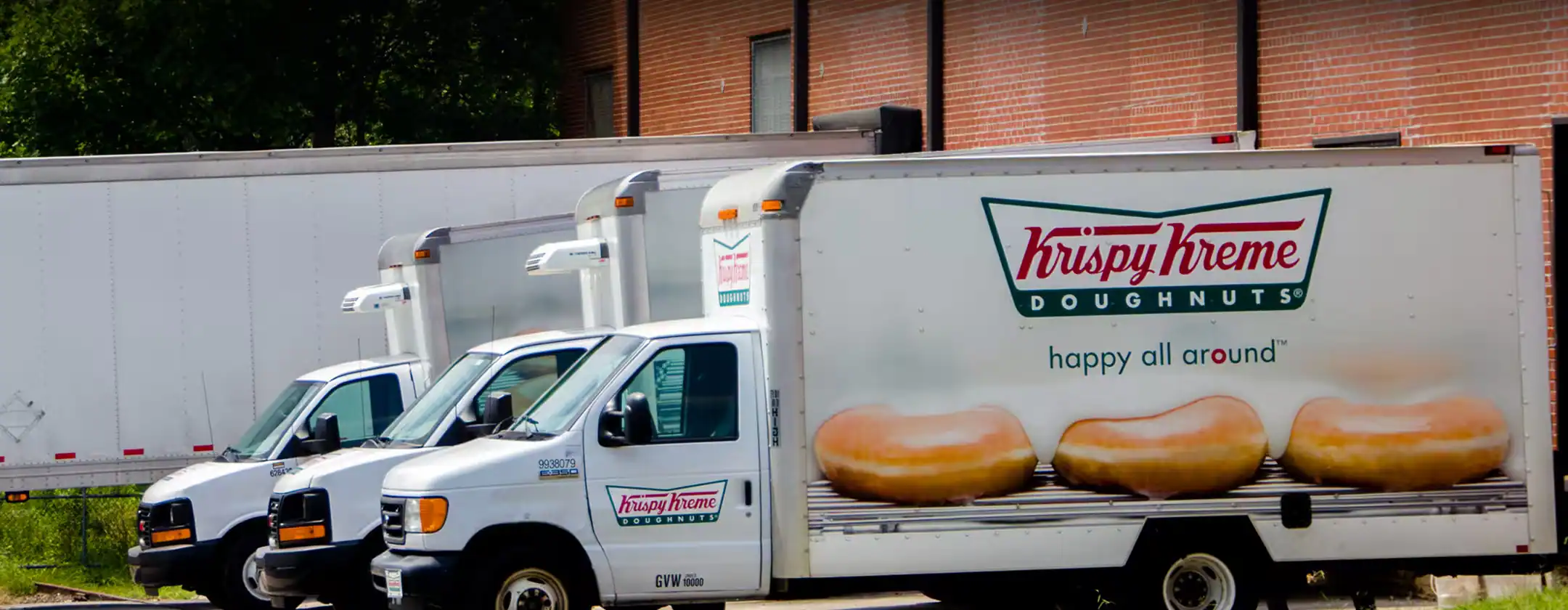

Krispy Kreme's recipe for faster forecasting with Lyric Studio
Published:
September 22, 2026
Video Duration:
3:44 min
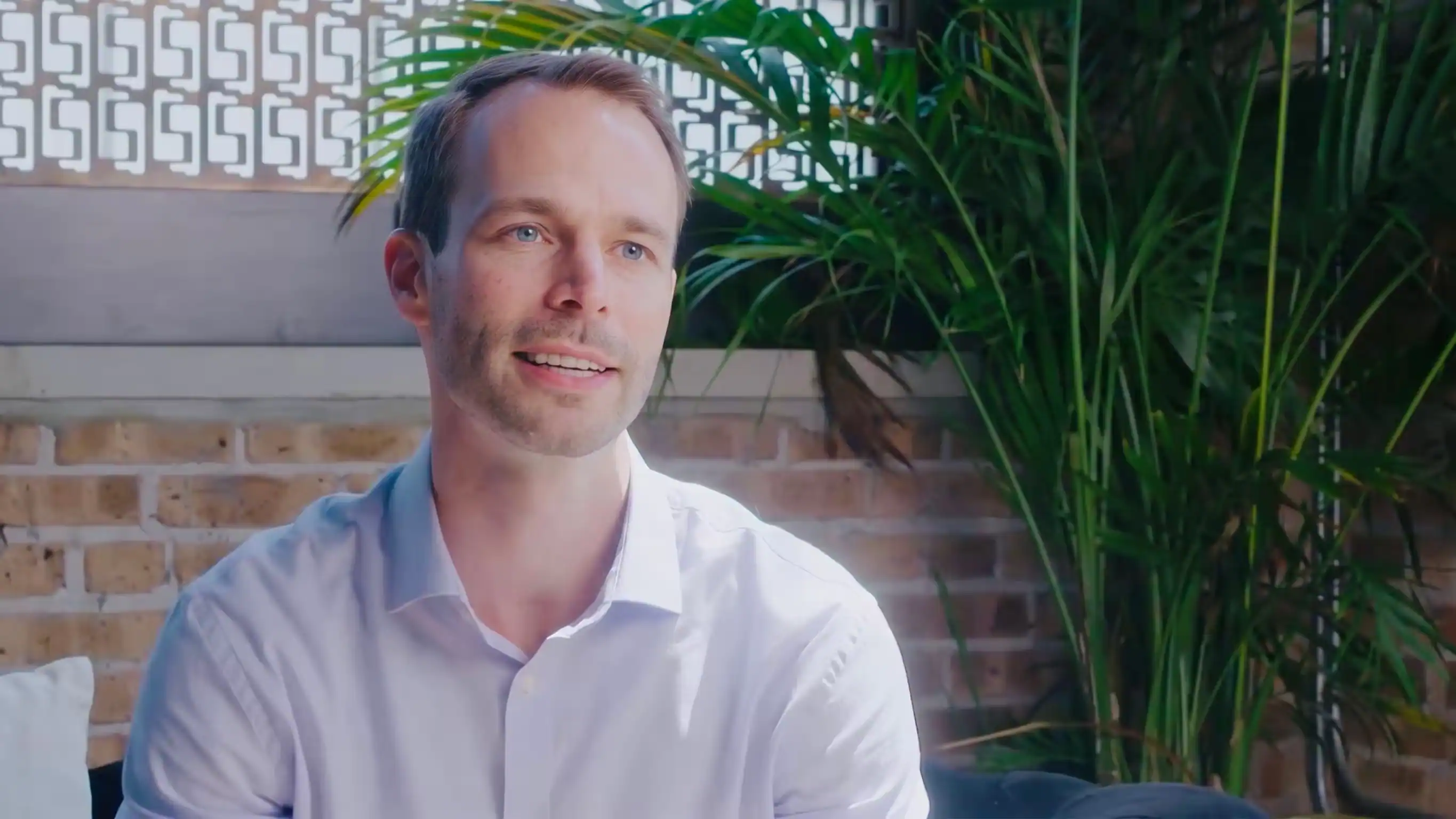
James Carter leads supply chain at Krispy Kreme, a big brand run by what he calls a pretty small company. He shares how his team moved its fresh delivery business off spreadsheets and into an adaptable planning model.
Krispy Kreme makes donuts for millions of people worldwide. The planning behind them ran in Excel on legacy tools that only worked as well as the person driving them, and changing the forecast logic meant a BRD, a SteerCo and a budget proposal.
What changed with Lyric Studio:
- Network Optimization live about a year, assigning retail doors to shops
- Total logistics cost minimized under real capacity constraints
- Forecast parameters rewritten in four hours, new results overnight
- Stronger data cleansing and history correction
- Data scientists working closer to the planning team
Next is the whole supply plan in one system, with financial measures tied back to P&L performance. On leaving something everyone already trusts: "You're kind of birds jumping out of the nest. You've gotta try and fly."
More Stories



Deliver Better Decisions Faster
Supply chains run on thousands of interconnected decisions. Demand shapes production. Inventory affects transportation. Every choice influences another. Every decision matters.